Understanding gold alloys
We often get lots of questions about gold jewellery, specifically what’s the difference between 9ct and 18ct, so we have created this blog to help inform you when you are designing your Baroque jewellery!
Gold has been prized for millennia for both its value and beauty. Recently we’ve seen prices soar, but not to worry! As a bespoke jeweller we can create designs for a range of budgets.
Why are there different gold alloys?
Pure gold is soft and not always practical for everyday jewellery wear. It can be combined with other metals to make it more suitable for jewellery through a process called alloying. Mixing it with other metals, such as copper and silver, makes it more versatile and allows for different price points.
Durability of 9ct vs 18ct Gold Jewellery
18ct contains 75% pure gold and 25% other metals, while 9ct contains 37.5% pure gold and 62.5% other metals.
A 9ct wedding band will typically be harder than an 18ct or 22ct one. However, 18ct is generally better for engagement rings because even though, technically yes, 9ct is harder than 18ct, hardness is not the same as durability.
It is easy to conflate hardness and durability in metals. Hardness is the resistance to scratching, while durability is the material’s ability to withstand wear over time while maintaining its functionality. 9ct is less durable than 18ct. This can translate to broken claws, cracks in the metal and general weakness as the non-gold metals in the alloy are broken down by chemicals in the environment over time.
Pure gold is referred to as a “noble” metal, which is resistant to corrosion or tarnishing, but the other metals used to make alloys are not. Because it has a significantly higher proportion of pure gold, 18ct is more resistant to tarnishing and corrosion than 9ct.
The Aesthetic Appeal of different alloys
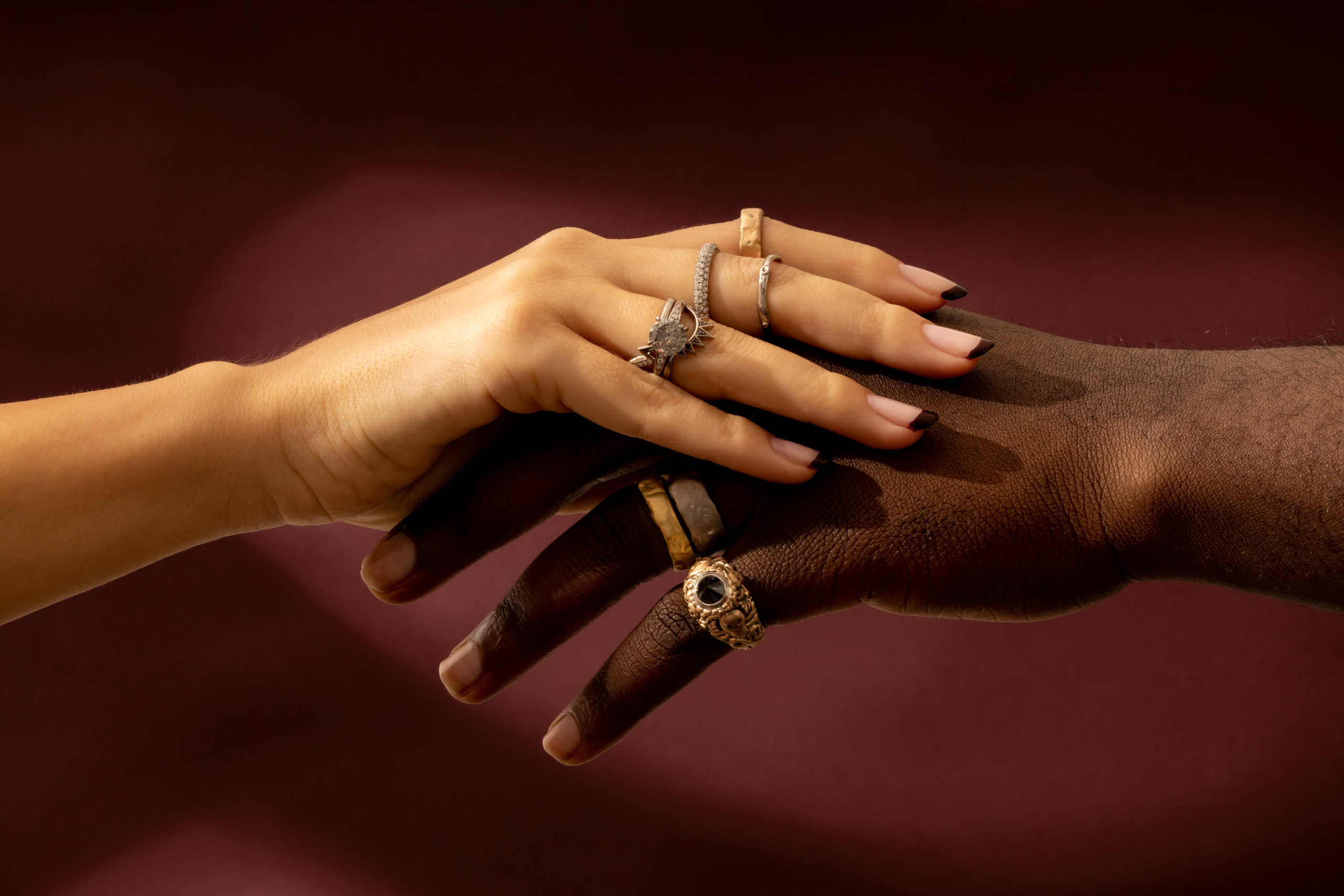
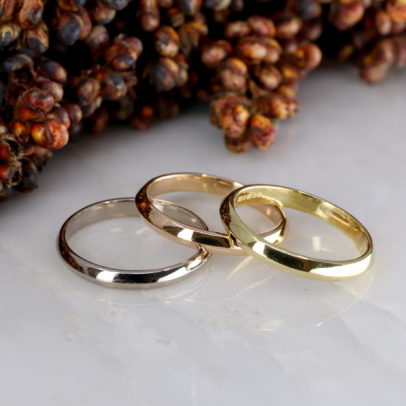
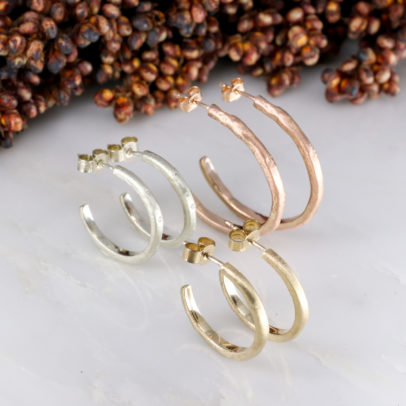
Gold alloys come in a range of colours, from traditional yellow to rose and white.
The gold content is constant, so 18ct rose and 18ct white are still both 75% pure gold, with the other 25% being made up of a different mix of metals. It’s the percentage of the other metals that results in the varying colours.
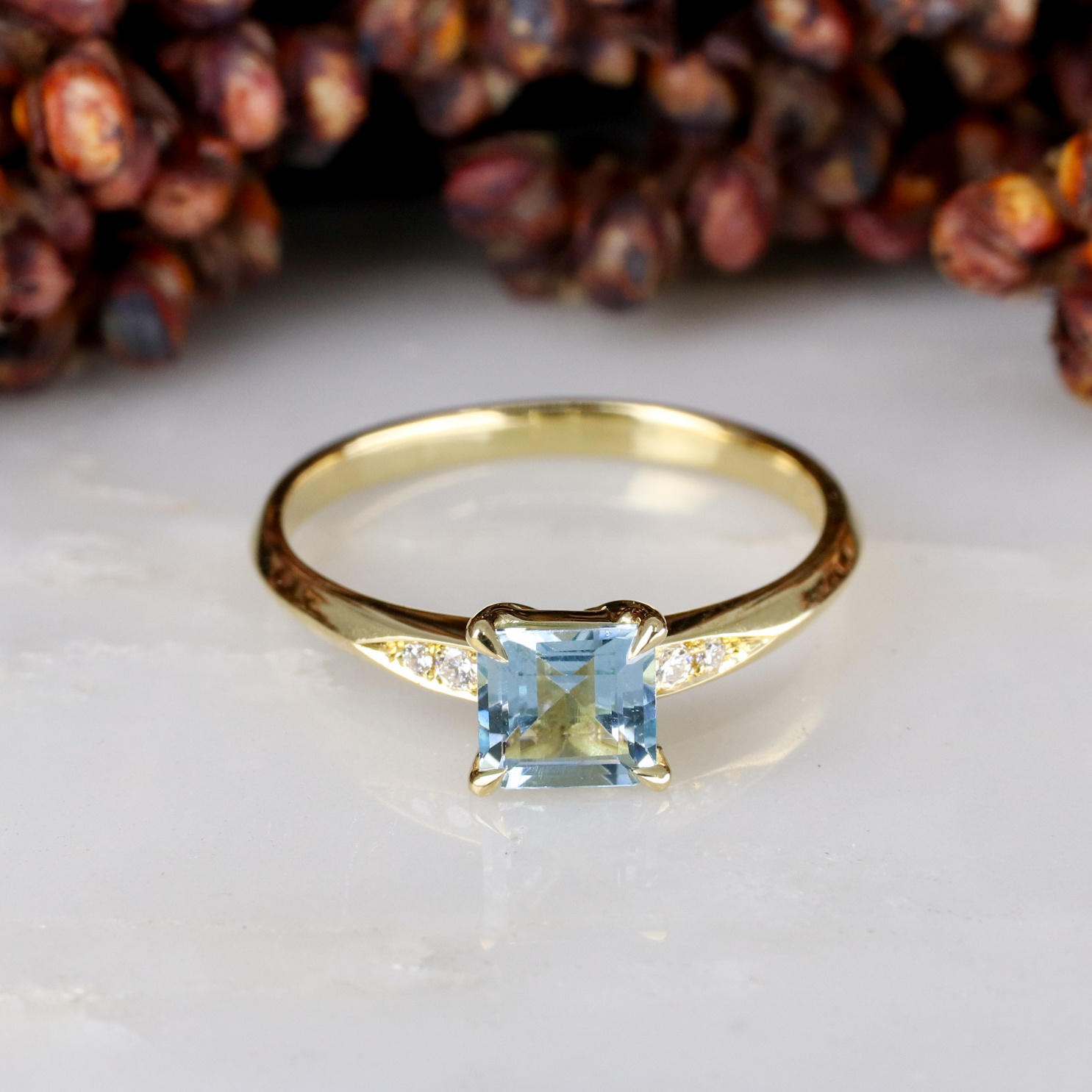
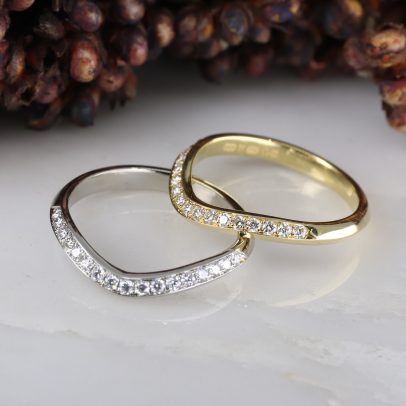
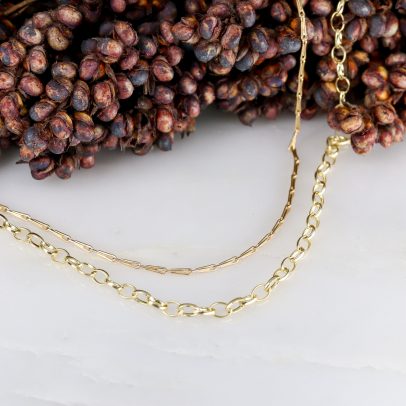
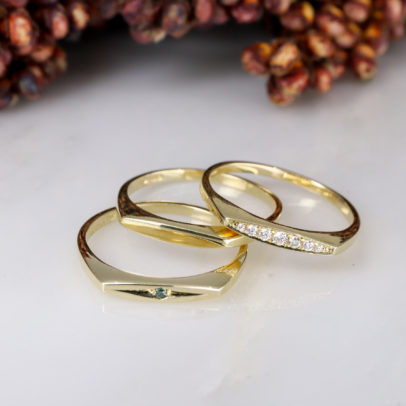
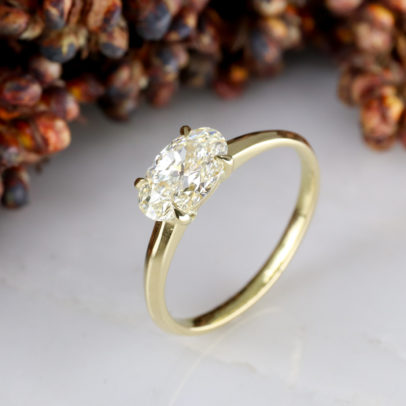
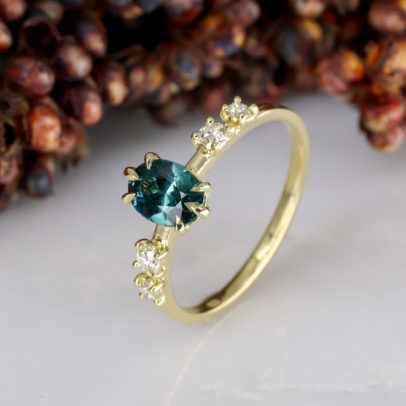
Yellow gold is a timeless option, 18ct has a higher pure gold content so is a lot richer in colour, whereas 9ct is a softer more muted shade of yellow. It looks great with white diamonds for a classic look, or you can pair it with a teal sapphire for a beautiful contrast.
Rose gold has more copper than the other alloys to give it its gorgeous pink tone. 9ct rose gold is more pink vs 18ct rose due to it having more copper and less pure gold. We love to pair this metal with cinnamon or brown diamonds, the colours are so warm and harmonious!
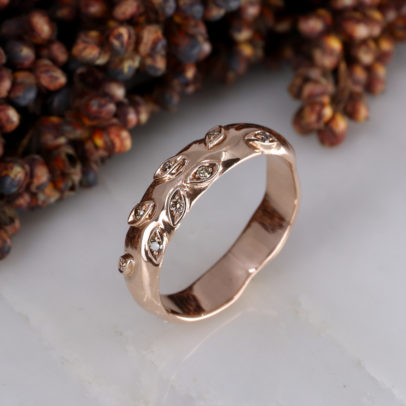
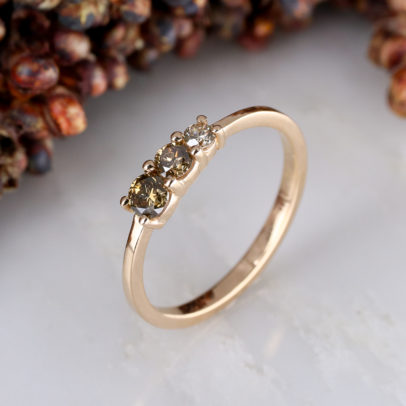
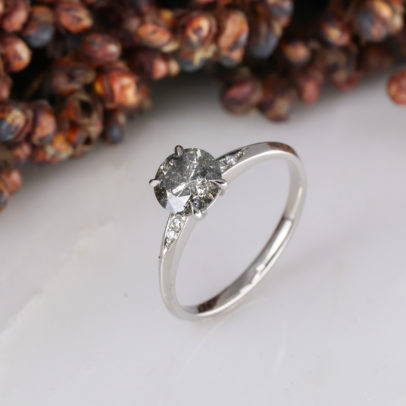
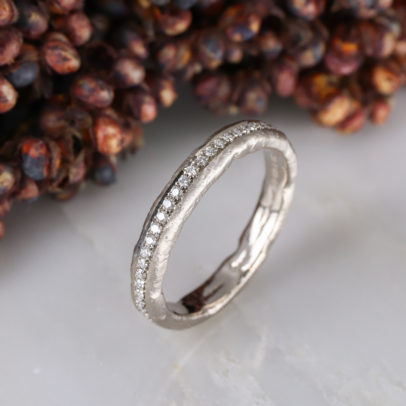
White gold has a high palladium content which gives it a cool silver tone. 9ct has a whiter, brighter look to it than 18ct because there is more palladium in the 9ct alloy. It looks stunning paired with salt and pepper diamonds to complete the icy, ethereal look. This metal also a great option to set white diamonds in this alloy as no colour is reflected through the diamond!
Price Difference Between 9ct and 18ct
Because of the higher gold content, 18ct is more expensive vs 9ct. While rose gold and yellow gold are usually the same price due to them having the same ratio of pure gold to other metals, white gold may be slightly more expensive because of the palladium used to make it white.
What alloys are best for different jewellery?
In conclusion, 9ct is a great option for plain wedding bands and heavier pieces of jewellery due to its lower cost and hardness. It’s good for flush and bezel setting stones but not claw settings. 18ct has got a much higher gold content so is more valuable than 9ct and its durability makes it great for claw setting stones. We hope this blog has provided some clarity regarding 9ct vs 18ct, and helped you feel more confident when choosing jewellery! Click here to contact us about creating your dream bespoke jewellery!
Love, Team Baroque